Spot Counterfeits & Unauthorized Sellers: Buyer Checklist
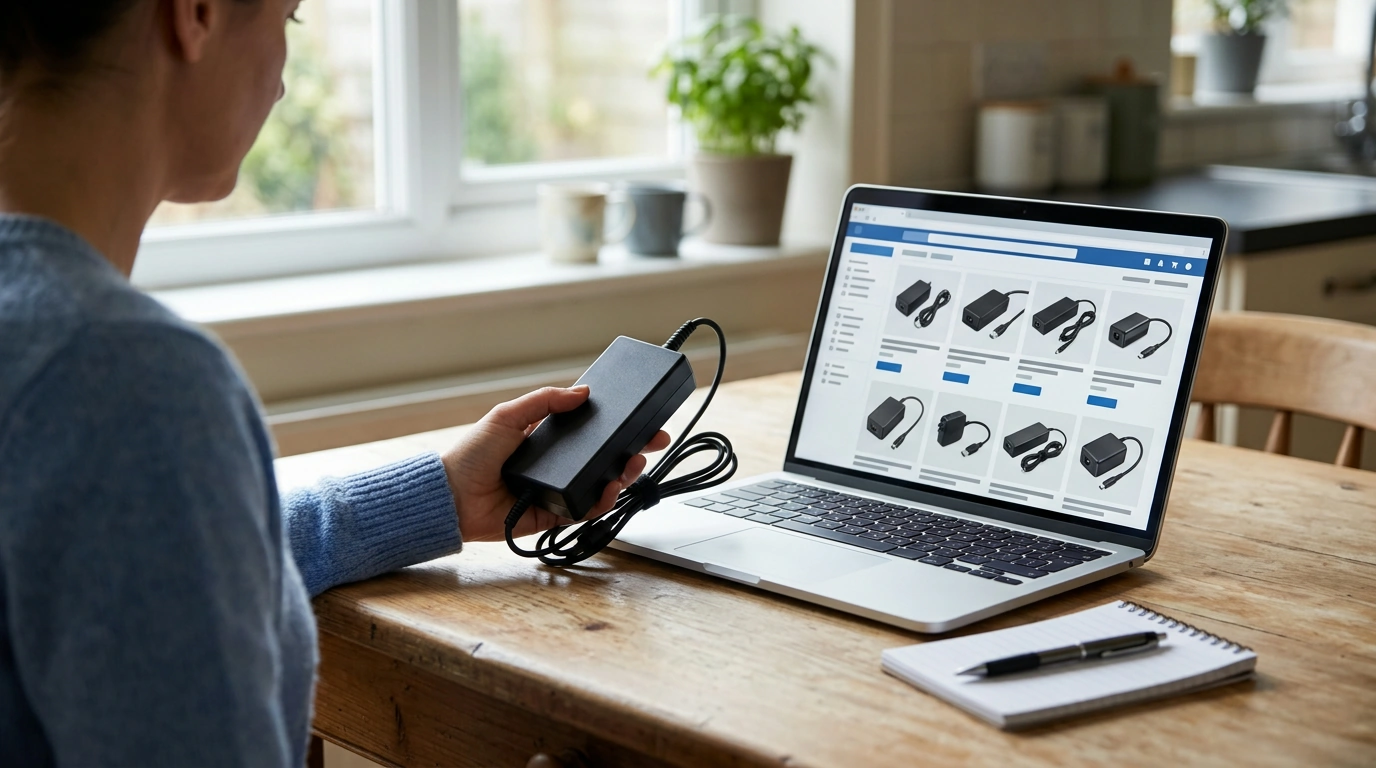
A Shopper’s Guide to Identifying Counterfeit and Unauthorized Resellers
Counterfeit listings and unauthorized resellers don’t always look suspicious at first glance. A product page can appear polished, reviews can look convincing, and pricing can feel “too good to miss.” Our team put together a clear, repeatable way to verify a listing, spot red flags early, and protect your purchase before money changes hands—especially on marketplaces where multiple sellers can share one product page.
Counterfeit vs. unauthorized reseller: what the difference changes for shoppers
Counterfeits are fake items made to look like the real thing. They can be unsafe, poorly made, or incompatible with accessories and updates—and they typically won’t qualify for legitimate warranty service or brand support.
Unauthorized resellers may sell genuine products, but outside a brand’s approved channels. That can mean no manufacturer warranty, older or expired inventory, missing accessories, replaced packaging, or a “new” item that arrives handled or open-box.
Both situations can lead to the same checkout pain: unexpected quality, return friction, and limited customer support. The safest choice depends on what you’re buying—especially when safety, freshness, or warranty coverage is non-negotiable.
| What to check | Counterfeit risk signals | Unauthorized reseller signals |
|---|---|---|
| Seller identity | New or constantly changing storefront names; minimal business details | Legitimate business name, but not listed as an authorized seller by the brand |
| Product condition | Misspellings, odd textures, wrong logos, inconsistent components | Open-box, repackaged, missing inserts; sometimes “new” but looks handled |
| Warranty/support | No valid serial/registration; brand refuses service | Brand may decline warranty if purchased outside approved channels |
| Price behavior | Extreme discounts that undercut every reputable seller | Discounts that appear when inventory is excess, older, or gray-market |
| Risk level | High: safety and performance uncertain | Moderate: authenticity may be fine, but support/returns can be limited |
Before buying: a quick “listing audit” that catches most problems
1) Confirm the seller of record
Make sure you’re looking at who the item is sold by, not just the platform hosting the listing. If multiple sellers share one product page, re-check the specific seller selected at checkout—especially if the “buy box” rotates.
2) Scan the storefront like you’re assessing a real business
Look for a consistent business name, clear policies, and a track record of selling related products. A storefront that swings from random categories (cosmetics, car parts, baby bottles, and laptop chargers) is often a reliability warning sign.
3) Cross-check model numbers and what’s included
Match the model number, accessories, bundle description, and warranty terms against the brand’s official site or documentation. If the listing won’t state a model number (or uses vague phrases like “fits most”), you lose your easiest verification tool.
4) Read return terms for friction triggers
Restocking fees on “new” items, unclear return addresses, or policies that push responsibility onto you (“contact manufacturer only”) often turn small issues into long disputes.
5) Treat off-platform pressure as a hard stop
Requests to message privately, pay with unusual methods, or complete the purchase outside the marketplace are high-risk behaviors. Keep everything on-platform so your protections stay intact.
Red flags that show up repeatedly with counterfeit and unauthorized listings
High-risk categories: when extra verification is non-negotiable
After delivery: a practical inspection routine (keep it simple and repeatable)
What to do if something feels off (without escalating stress)
A ready-to-use checklist: the fastest way to avoid repeat mistakes
| Step | What to verify | Pass/Fail notes |
|---|---|---|
| Listing | Model number + what’s included + warranty terms are clearly stated | |
| Seller | Storefront is consistent; policies are readable; no off-platform pressure | |
| Price | Discount is plausible compared with reputable sellers (not a dramatic outlier) | |
| Delivery | Shipping origin and delivery promises align with platform expectations | |
| Unboxing | Packaging and seals look normal; no re-tape or mismatched inserts | |
| Identifiers | Serial/batch/model format matches brand documentation when available | |
| Function test | Core features work within the return window; no safety concerns |
Recommended tools from our store (digital downloads)
- A Shopper’s Guide to Identifying Counterfeit and Unauthorized Resellers (Digital Download)
- Master the Art of Comparing Products on Amazon (Digital Guide)
- Unlocking Amazon’s Multi-Currency Advantage: The Ultimate Checklist for Maximizing Savings
Additional consumer resources
- Federal Trade Commission (FTC): Consumer advice on shopping safely
- U.S. Customs and Border Protection: Counterfeit goods—real dangers
- USPTO: Trademark basics and consumer awareness
FAQ
How can a listing have good reviews and still be counterfeit?
On some marketplaces, reviews can carry over when sellers change, product variations get merged, or a legitimate listing is “hijacked” and swapped to a different item. Filter reviews to the most recent and look for model-specific mentions; if reviews describe different features or packaging than the current listing, treat that as a credibility break.
Is buying from an unauthorized reseller always a bad idea?
Not always—an item may be genuine—but warranty coverage, freshness, and condition can be unpredictable. It’s often acceptable for low-risk, non-consumable items where you can easily inspect and return; it’s best avoided for health, safety, baby items, consumables, and anything where warranty service is a priority.
What should be documented before requesting a return or filing a counterfeit claim?
Capture photos of the shipping label, outer and inner packaging, seals, the product, and any serial/batch/model identifiers, plus screenshots of the listing title and seller name. Keep all messages on-platform and save the listing URL and your purchase date/time so your timeline is clear.









Leave a comment