Cut E‑Commerce Returns & Shipping Costs With AR Try‑On
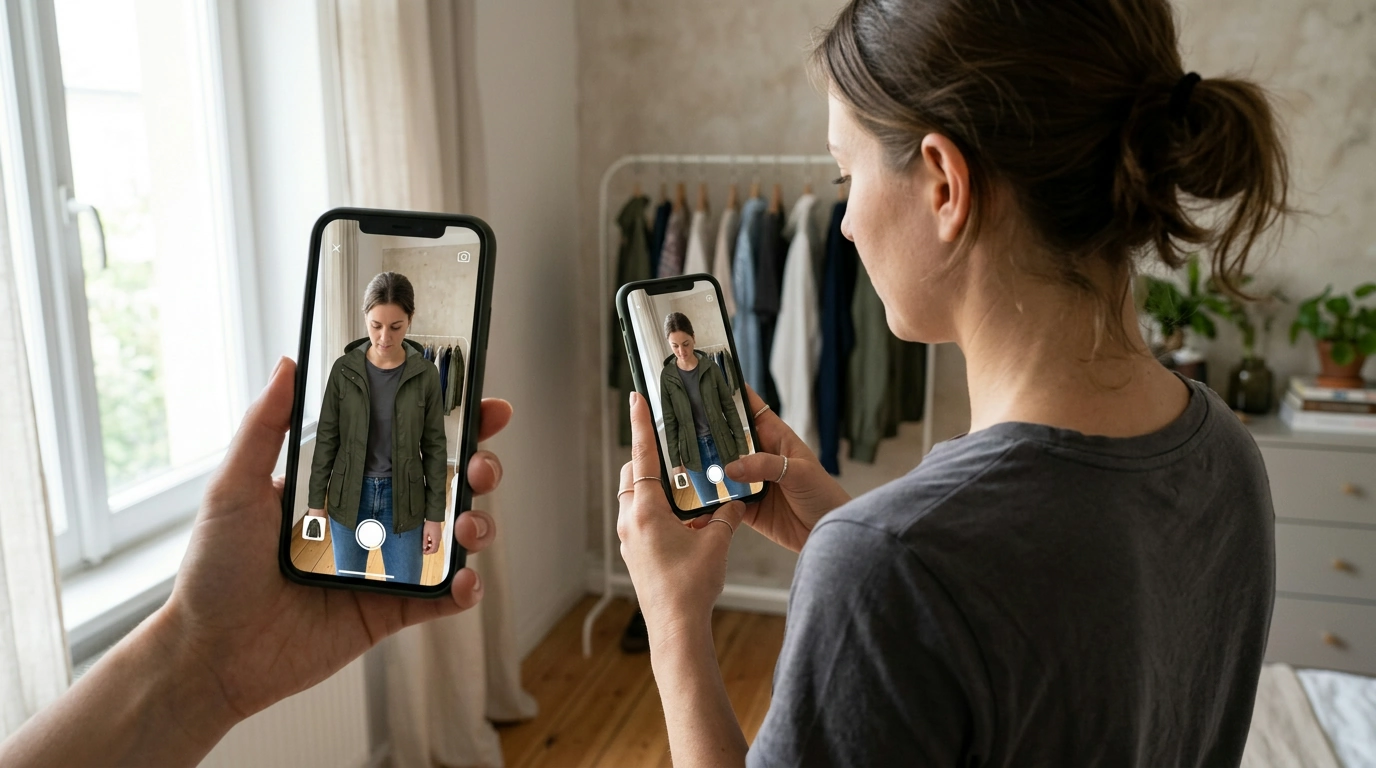
Reduce Returns and Shipping Costs With AR Virtual Try‑On
Returns are expensive twice: outbound shipping you already paid and inbound shipping you’re asked to cover (plus restocking, repackaging, and lost margin). AR virtual try‑on helps you close the “expectation gap” before checkout, so fewer “not as expected” returns land back at your warehouse. Our team put together this guide to help you pinpoint where AR try‑on works best, roll it out without disrupting operations, and track the metrics that prove real savings. For more guidance, see A systematic literature review and analysis of try-on ….
Why returns happen (and why shipping costs spiral)
Most avoidable returns trace back to expectation gaps: fit, scale, color, and the classic “looks different in real life.” When those gaps show up, shipping spend doesn’t just rise—it compounds. Every return can trigger multiple labels, extra pick/pack touches, more customer support time, and inventory sitting in transit (instead of selling). For further reading, see Page 4.
In practice, reducing returns is often cheaper than negotiating lower carrier rates, because every prevented return removes multiple cost lines at once. AR virtual try‑on targets the most common expectation gaps by letting shoppers preview size/placement and appearance on their own body or in their own space.
Return cost stack (what a single return can trigger)
| Cost area | What it includes | Why it grows fast |
|---|---|---|
| Shipping | Outbound + return label + reshipment (exchanges) | You may pay twice to sell once |
| Operations | Receiving, inspection, repackaging, restocking | Labor repeats the same order steps |
| Support | Tickets, refunds, disputes, follow‑ups | More contacts per order |
| Inventory loss | Damage, missing parts, seasonal depreciation | Returned items often can’t be resold at full price |
What AR virtual try‑on changes in the buying decision
AR shifts “guessing” into “previewing.” Instead of imagining scale or styling, shoppers can validate placement, proportions, and overall look before they buy. That tends to reduce basic pre‑purchase questions and shorten the path to checkout.
For size/fit-heavy categories, AR try‑on performs best when paired with solid sizing logic: consistent measurements, clear fit notes, and (when available) a size recommendation layer. When shoppers can confirm what they’re about to receive, “bracketing” behavior (ordering multiple sizes/colors with the intent to return most) often drops—reducing both return volume and outbound shipping waste.
Where AR try‑on typically helps most
| Category | What shoppers need to see | AR outcome |
|---|---|---|
| Eyewear & accessories | Placement, style match | Fewer “doesn’t suit me” returns |
| Beauty (makeup shades) | Color on real skin tone | Fewer “wrong shade” returns |
| Footwear & apparel | Fit/shape expectation | Fewer size-related returns (when sizing data is solid) |
| Home décor | Scale in a room | Fewer “too big/small” returns |
A practical rollout plan that avoids tech overwhelm
You don’t need an all-catalog AR launch to get measurable wins. Start where the pain is obvious: a single high‑return product line, or a top seller that generates frequent sizing/fit questions. The goal is a clean pilot that proves impact without breaking your store workflows.
Step 1: Choose a focused pilot
Pick a limited set of SKUs with consistent inventory and stable traffic. If you mix in items that are frequently out of stock or constantly changing, your results will be noisy and hard to trust.
Step 2: Build the minimum viable asset set
AR can’t fix messy product data. Before launch, standardize what shoppers rely on: dimensions, variant naming, fit notes, materials, and any stretch/structure callouts that influence expectations. Consistent photography helps too, but the biggest lever is accurate, repeatable measurement data.
Step 3: Place try‑on where decisions happen
Make try‑on visible on mobile, above the fold, and next to the size/shade selection. If shoppers have to hunt for it, adoption drops and you’ll misread the pilot as ineffective.
Step 4: Prepare customer support
Launch checklist
| Step | Owner | Done when |
|---|---|---|
| Pick pilot SKUs | Merchandising | Top return drivers selected |
| Standardize sizing/dimensions | Product ops | Data matches actual product |
| Publish try‑on entry points | Storefront | Visible on PDP + cart |
| Set measurement plan | Analytics | Baseline + test period defined |
| Support macros updated | CX | Agents can guide try‑on use |
How to measure savings (the metrics that matter)
Simple before/after scorecard
| Metric | Baseline | After AR try‑on | Target direction |
|---|---|---|---|
| Return rate (pilot SKUs) | Down | ||
| Return shipping spend | Down | ||
| Support tickets (fit/size) | Down | ||
| Conversion rate | Up |
Common pitfalls (and how to prevent them)
Quick reference
| Issue | Fix |
|---|---|
| Try-on not used | Move button near size/shade selector |
Recommended resources from our store
- How AR and Virtual Try‑On Can Reduce Returns and Save on Shipping Costs (Digital Guide)
- Master the Art of Comparing Products on Amazon (Digital Guide)
- Unlocking Amazon’s Multi‑Currency Advantage (Checklist)
Authoritative references
- Shopify: Augmented reality (AR) in ecommerce
- Google Merchant Center resources: AR and 3D guidance
- National Retail Federation (NRF): research and insights on retail technology
FAQ
Does AR virtual try‑on reduce returns for every product category?
Results are strongest in categories where fit, scale, or color drive returns (apparel, eyewear, beauty, and home décor). It won’t solve returns caused by defects, shipping delays, or wrong-item fulfillment, so it’s best to pilot on your highest return SKUs where expectation gaps are the main issue.
What should be tracked to prove AR try‑on is saving shipping costs?
Track return rate by reason code, return shipping spend, exchanges vs refunds, support tickets per 100 orders, and conversion rate. Compare the same SKUs against a baseline period so you can attribute changes to try‑on instead of seasonality or promotions.
How fast can an e‑commerce store see results after adding virtual try‑on?
Most stores need weeks, not days, because you need enough orders to reduce noise in return and support metrics. A focused pilot with clear placement, clean product data, and a defined measurement window typically surfaces early direction quickly.









Leave a comment